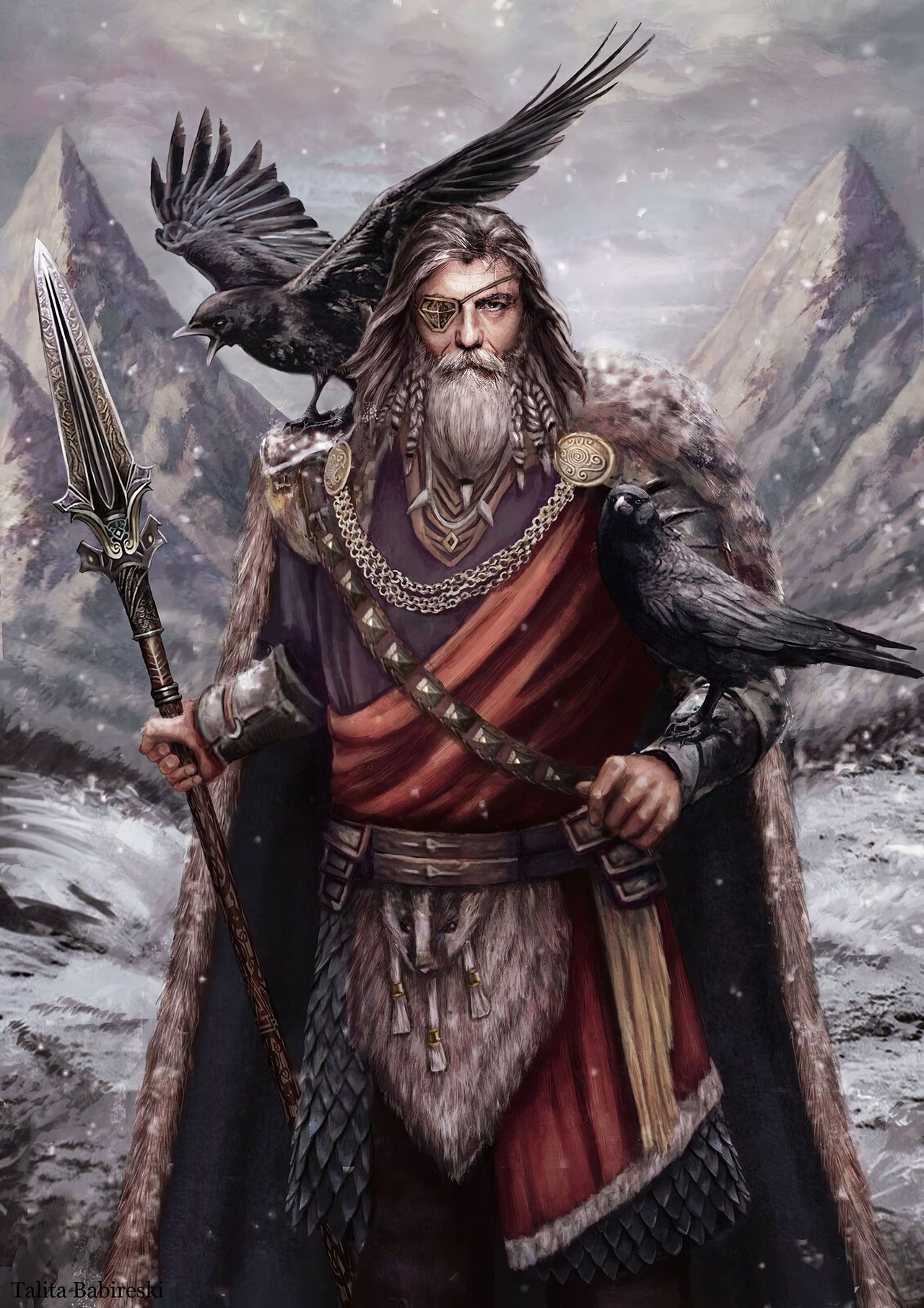
In the rich tapestry of Norse mythology, the Ases (or Æsir) stand out as a group of powerful deities central to the cosmological and mythological narratives of the Norse pantheon. These gods, residing in the celestial realm of Asgard, are pivotal figures in the tales of creation, conflict, and ultimate destiny that define Norse lore. This article delves into the origins, characteristics, and significance of the Ases, highlighting their enduring impact on culture and modern interpretations.
Origins and Historical Context
The Ases originate from the ancient Norse belief system that flourished in Scandinavia during the Viking Age (approximately 793–1066 AD). These deities are prominently featured in the Poetic Edda and the Prose Edda, two of the most important sources of Norse mythology compiled in the 13th century. Unlike the Vanes (Vanir), another tribe of gods associated with fertility and prosperity, the Ases are often linked to war, governance, and the enforcement of law and order.
Major Ases and Their Roles
The Ases are a diverse group, each with unique attributes, domains, and stories. Some of the most significant Ases include:
- Odin: The chief of the Ases, Odin is the god of wisdom, war, poetry, and death. Often depicted with one eye (having sacrificed the other for wisdom), he is known for his quest for knowledge and his role as the Allfather. Odin is associated with the runes, which are symbolic of his deep understanding of magic and the written word.
- Thor: The god of thunder, Thor is one of the most popular and powerful Ases. Armed with his mighty hammer Mjölnir, Thor protects gods and humans from the giants (Jotünn). His strength, courage, and straightforward nature make him a revered figure in Norse mythology.
- Frigg: Odin’s wife and the queen of the Ases, Frigg is the goddess of marriage, motherhood, and domesticity. Known for her foresight, she is a protector of families and a symbol of maternal care and wisdom.
- Tyr: The god of war and justice, Tyr is renowned for his bravery and sense of duty. He famously sacrificed his hand to the wolf Fenrir to protect the gods, showcasing his commitment to the greater good.
- Loki: A complex and ambiguous figure, Loki is both a trickster and a shape-shifter. Though not originally an Ase, he is often associated with them due to his close relationships with other gods. Loki’s actions, both mischievous and malevolent, are central to many mythological narratives, including the eventual onset of Ragnarök (the end of the world).
- Baldur: The god of beauty, light, and purity, Baldur is beloved by all gods. His death, orchestrated by Loki, is a pivotal event in Norse mythology, symbolizing the inevitable decline towards Ragnarök.
Characteristics and Symbolism
The Ases possess various characteristics and symbols that underscore their roles within Norse mythology:
- War and Protection: Many Ases, such as Thor and Tyr, are associated with war and protection. Their strength and combat prowess are emblematic of the Norse warrior culture.
- Wisdom and Knowledge: Odin, in particular, embodies the pursuit of knowledge and wisdom. His sacrifices and relentless quest for understanding highlight the value placed on intellectual and spiritual growth.
- Fate and Destiny: The concept of fate, or wyrd, is integral to Norse belief, and the Ases are deeply intertwined with the themes of destiny and prophecy. Frigg’s foresight and the predestined events leading to Ragnarök illustrate this connection.
- Trickery and Change: Loki’s presence among the Ases brings an element of unpredictability and change. His actions often catalyze significant events, emphasizing the duality of creation and destruction.
The Ases in Modern Culture
The legacy of the Ases endures in modern culture, particularly through literature, films, and popular media:
- Literature and Comics: The Ases have inspired numerous works of literature, from classic texts to contemporary novels. In the Marvel Comics universe, characters like Thor and Loki have become iconic figures, blending mythological elements with modern storytelling.
- Films and Television: The Ases have been brought to life in various films and TV series, notably in the Marvel Cinematic Universe. Movies like « Thor » and « Avengers » have introduced these deities to a global audience, reimagining their stories for a new generation.
- Art and Music: Norse mythology, including the tales of the Ases, continues to inspire artists and musicians. From intricate artworks depicting mythological scenes to musical compositions that evoke the grandeur of these ancient gods, the influence of the Ases remains profound.
Conclusion
The Ases, with their rich mythological heritage and diverse attributes, are central figures in Norse mythology. Their stories, filled with heroism, wisdom, conflict, and prophecy, offer timeless lessons and continue to captivate the human imagination. As we explore the myths of the Ases, we uncover deeper insights into the values and beliefs of the ancient Norse, while also appreciating the enduring power of these legendary deities in shaping cultural narratives across time.
Find this article in French here.
En savoir plus sur Script & Paper
Abonnez-vous pour recevoir les derniers articles par e-mail.
 Script & Paper
Un avis sur « The Ases: Deities of Power and Wisdom in Norse Mythology »