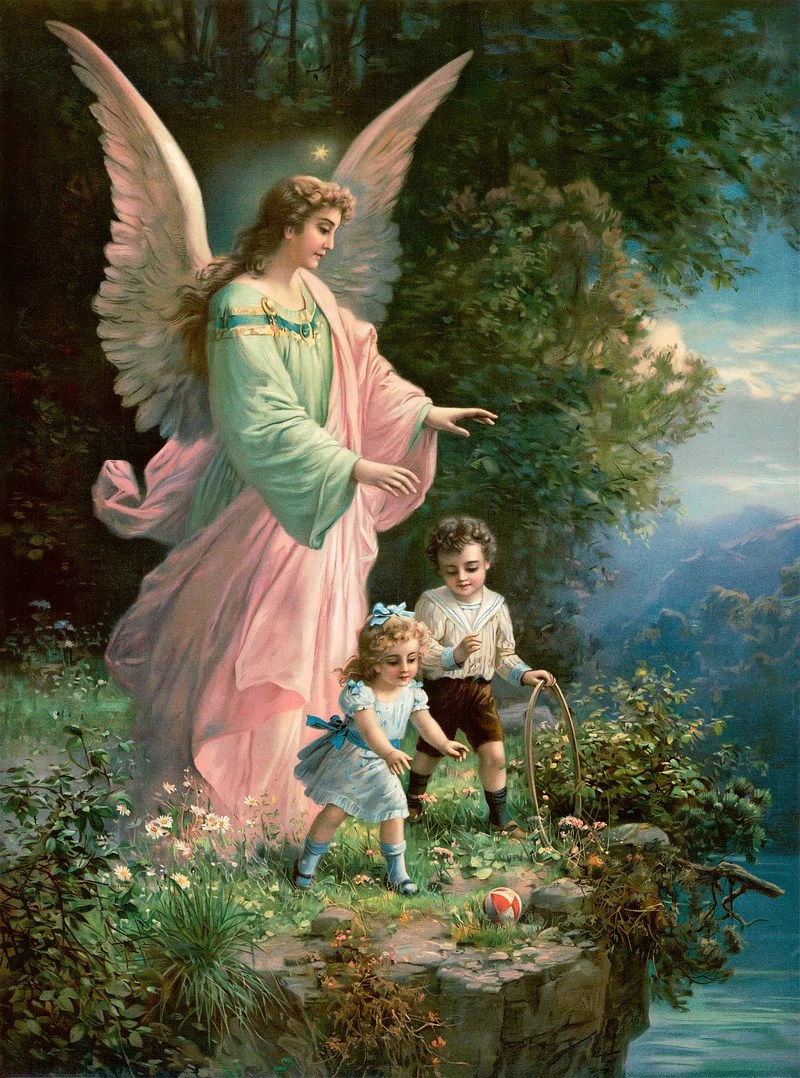
Angels are among the most revered and fascinating mythical creatures in human history. Depicted across various cultures and religions, they are often seen as messengers, guardians, and intermediaries between the divine and the mortal world. This article delves into the origins, characteristics, and significance of angels in mythology, highlighting their enduring impact on art, literature, and popular culture.
Origins and Historical Context
The concept of angels dates back to ancient civilizations, where they were often seen as celestial beings with a direct connection to the divine. In Abrahamic religions—Judaism, Christianity, and Islam—angels play a pivotal role, each with its unique traditions and interpretations.
- Judaism: Angels in Jewish tradition are considered messengers of God, with references found in texts like the Torah and the Talmud. The Hebrew Bible mentions various types of angels, such as cherubim and seraphim, who serve different functions and possess distinct characteristics.
- Christianity: Christian angelology is rich and varied, with angels frequently appearing in the Bible. The New Testament, particularly the Gospels, recounts angels announcing the birth of Jesus and performing other divine tasks. The hierarchy of angels, including archangels like Michael and Gabriel, is well-established in Christian theology.
- Islam: In Islam, angels (Mala’ika) are created from light and serve as obedient servants of Allah. They are central to Islamic teachings, with the Quran frequently mentioning them. Angels in Islam have specific roles, such as Jibril (Gabriel) delivering revelations to prophets, and Israfil (Raphael) blowing the trumpet on Judgment Day.
Characteristics and Types
Angels are often depicted with ethereal beauty and purity, commonly portrayed with wings, halos, and radiant light. Despite variations across cultures, several characteristics remain consistent:
- Wings: Angels are typically shown with wings, symbolizing their divine nature and ability to traverse between heaven and earth. The number and type of wings can vary, with some angels like seraphim depicted with multiple pairs.
- Halos: A halo or aura of light around an angel’s head represents their holiness and proximity to the divine.
- Human-Like Appearance: While angels often have human-like forms, their beauty and otherworldly attributes set them apart from mortals.
Different traditions categorize angels into various types and hierarchies. In Christian angelology, angels are divided into three spheres, each containing different orders such as:
- Seraphim: Often depicted with six wings, they are closest to God, singing his praises and maintaining the purity of the heavens.
- Cherubim: Guardians of the divine throne, traditionally portrayed with four faces and four wings.
- Archangels: High-ranking angels like Michael and Gabriel, who perform critical tasks and deliver important messages.
Roles and Significance
Angels fulfill several roles in mythology and religious traditions, acting as intermediaries, protectors, and guides:
- Messengers: Angels often serve as messengers of the divine, conveying God’s will to humans. This role is prominently seen in biblical stories, such as the Annunciation where Gabriel informs Mary of her miraculous pregnancy.
- Guardians: Guardian angels are believed to protect and guide individuals, a concept prevalent in many cultures. This protective role reassures believers of divine care and oversight.
- Judges and Warriors: Angels also execute divine judgment and engage in spiritual warfare. The archangel Michael is often depicted as a warrior battling evil forces.
Cultural Impact and Modern Interpretations
Angels have transcended religious texts to become iconic figures in art, literature, and popular culture. Their representations have evolved, but they consistently symbolize purity, protection, and the divine:
- Art: Renaissance artists like Leonardo da Vinci and Raphael immortalized angels in their works, creating some of the most recognized angelic imagery. These depictions emphasize their beauty and celestial nature.
- Literature: Angels appear in various literary works, from John Milton’s Paradise Lost to modern fantasy novels. They often symbolize the struggle between good and evil or the quest for redemption.
- Popular Culture: In contemporary media, angels feature in films, television series, and music, reflecting society’s enduring fascination with these celestial beings. Shows like Supernatural and books like Angels & Demons by Dan Brown explore angelic themes, blending traditional lore with modern storytelling.
Conclusion
Angels, with their rich history and profound symbolism, continue to captivate the human imagination. Whether seen as divine messengers, guardians, or warriors, they embody humanity’s quest for connection with the divine and the mysteries of the cosmos. Through their depiction in various cultural forms, angels remain a testament to the enduring power of myth and the universal appeal of the supernatural.
Find this article in French here.
En savoir plus sur Script & Paper
Abonnez-vous pour recevoir les derniers articles par e-mail.
 Script & Paper
Un avis sur « Angels: Mythical Creatures of Light and Mystery »