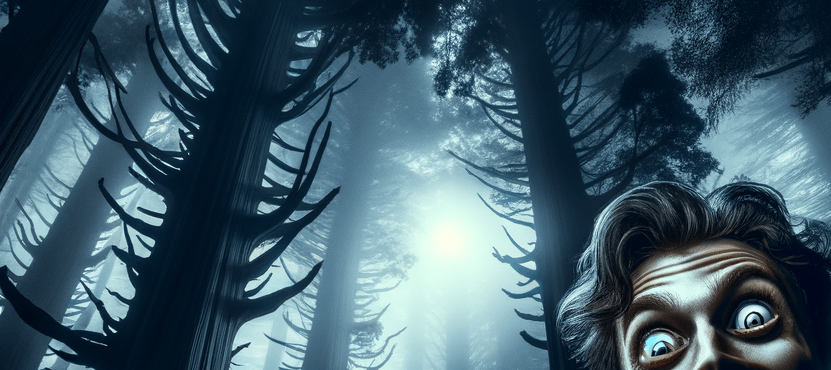
Horror is a literary genre that delves into the depths of fear, tapping into our primal instincts and exploring the unknown, the supernatural, and the macabre. From ghost stories whispered around campfires to contemporary psychological thrillers, horror has a long and varied history that captivates readers by pushing the boundaries of what is comfortable and known. This genre not only aims to scare but also to provoke thought and reflect societal anxieties.
Characteristics of Horror Literature
Horror literature is defined by several key characteristics that set it apart from other genres:
- Atmosphere and Setting: The setting in horror stories is crucial to building suspense and fear. Dark, eerie environments such as haunted houses, abandoned buildings, and desolate landscapes create a sense of dread and foreboding.
- Supernatural Elements: Many horror stories incorporate supernatural elements such as ghosts, monsters, vampires, and witches. These elements introduce the unknown and challenge the boundaries of reality.
- Psychological Tension: Horror often explores the psychological aspects of fear. It delves into the minds of characters, revealing their deepest fears and anxieties. This can lead to stories that are as much about the human psyche as they are about external threats.
- Themes of Mortality and the Unknown: Common themes in horror literature include death, the afterlife, the unknown, and the uncanny. These themes tap into universal human fears and questions.
- Suspense and Surprise: Horror thrives on building suspense and delivering unexpected shocks. The anticipation of something terrifying can be just as frightening as the horror itself.
- Moral and Ethical Questions: Many horror stories pose moral and ethical questions, exploring the consequences of human actions and the nature of good and evil.
The Evolution of Horror Literature
Horror literature has a rich history that dates back centuries. Early examples include folklore and mythological tales that feature supernatural beings and terrifying creatures. Gothic literature in the 18th and 19th centuries, with works like Mary Shelley’s Frankenstein and Bram Stoker’s Dracula, established many conventions of the modern horror genre.
In the 20th century, horror evolved with the contributions of writers like H.P. Lovecraft, who introduced cosmic horror, emphasizing the insignificance of humans in the vast universe. Stephen King, often referred to as the master of horror, brought the genre into the mainstream with novels like The Shining and It, which blend supernatural elements with deep psychological insight.
Contemporary horror continues to evolve, incorporating modern fears and societal issues. Authors like Shirley Jackson, with her psychological horror, and modern writers such as Paul Tremblay and Carmen Maria Machado, who explore themes of identity and trauma, push the genre in new directions.
The Impact and Importance of Horror Literature
Horror literature serves several important functions for both individuals and society:
- Exploration of Fear: Reading horror allows people to confront and explore their fears in a safe environment. This can be a cathartic experience, helping readers process their anxieties.
- Reflection of Societal Anxieties: Horror often reflects the fears and anxieties of the time in which it is written. For example, post-World War II horror explored themes of nuclear annihilation and existential dread.
- Moral Lessons: Many horror stories serve as cautionary tales, exploring the consequences of immoral actions or hubris. This can lead to deeper reflections on ethics and human behavior.
- Cultural Commentary: Horror can also serve as a commentary on cultural and social issues. For example, Jordan Peele’s film Get Out addresses racism through the lens of horror, while Victor LaValle’s The Ballad of Black Tom reimagines Lovecraftian horror from an African American perspective.
Notable Works and Authors
Horror literature boasts a wealth of influential works and authors who have shaped the genre:
- « Frankenstein » by Mary Shelley: A seminal work that explores themes of creation, hubris, and monstrosity.
- « The Haunting of Hill House » by Shirley Jackson: A masterful psychological horror novel that delves into the nature of fear and the supernatural.
- « It » by Stephen King: A sprawling epic that blends supernatural horror with a deep exploration of childhood trauma and the power of memory.
- « Bird Box » by Josh Malerman: A contemporary horror novel that uses the fear of the unseen to create intense psychological suspense.
Conclusion
Horror literature is a genre that taps into the deepest fears of the human psyche, exploring themes of mortality, the unknown, and the supernatural. Through its evolution from Gothic novels to contemporary tales of psychological terror, horror has remained a powerful force in literature, reflecting societal anxieties and providing a means to explore and confront fear. With its ability to shock, disturb, and provoke thought, horror continues to captivate readers and push the boundaries of what is known and comfortable.
Find this article in French here.
En savoir plus sur Script & Paper
Abonnez-vous pour recevoir les derniers articles par e-mail.
 Script & Paper
Un avis sur « Horror: A Literary Genre that Explores the Darkest Corners of the Human Psyche »