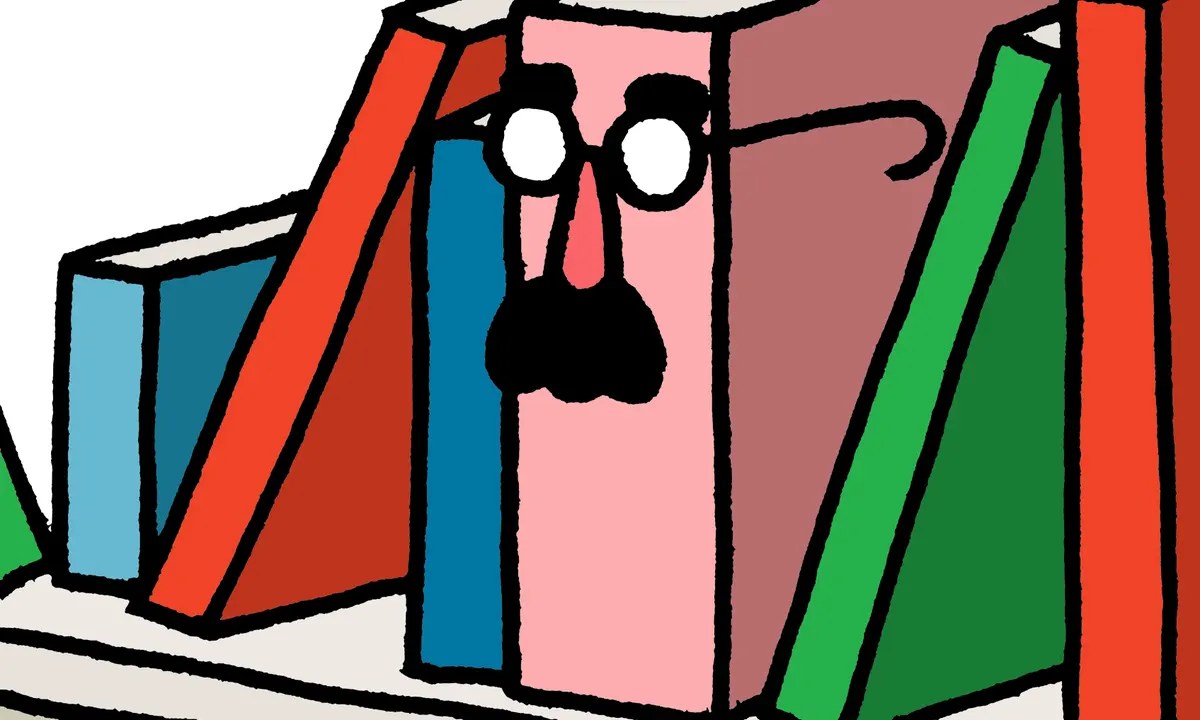
Humor is a literary genre characterized by its ability to entertain, amuse and, often, provoke reflection. Its presence is omnipresent throughout the history of literature, offering a welcome break from the seriousness and drama of everyday life. However, literary humor is not limited to provoking laughter; it can also serve as a vehicle for social criticism, satire, and the exploration of human absurdities.
Characteristics of Literary Humor
Literary humor can take many forms, but certain general characteristics can be observed:
- Irony and satire : Irony, which consists in saying the opposite of what one thinks, and satire, which uses ridicule to criticize, are tools commonly used to reveal the absurdities of society and human behavior.
- Situational comedy: Authors create exaggerated or incongruous situations to provoke laughter, often by placing their characters in unexpected or paradoxical contexts.
- Wordplay: The use of language itself as a source of laughter, through puns, double entendres and quiproquos, is another distinctive feature.
- Character: Eccentric or caricatured characters, often larger than life, are frequently used to exaggerate certain features and accentuate the comic effect.
- Contrast: Humor often arises from the contrast between reality and the absurd, or between expectations and reality, creating a humorous break that surprises and amuses the reader.
Humor Through the Ages
Humor has a long literary tradition. As far back as Antiquity, Aristophanes had the Athenians laughing with his political comedies. In the Middle Ages, French fabliaux featured farcical, moralizing tales.
Renaissance theater, notably with William Shakespeare, was full of brilliant comedies combining misunderstanding and misunderstanding. In France, Molière elevated comedy to new heights with works such as Le Malade imaginaire and L’Avare, in which he used humor to criticize the shortcomings of his contemporaries.
In the 18th and 19th centuries, the novels of Laurence Sterne and Mark Twain, among others, incorporated humor to explore the human condition and the societies of their time. More recently, literary humor has manifested itself in the works of James Thurber, Evelyn Waugh, and P.G. Wodehouse, who have married wit and levity with deeper criticism.
Contemporary Humor
Today, humor remains a vibrant and popular genre. Authors such as David Sedaris, Terry Pratchett, and Douglas Adams
use humor to tackle a variety of subjects, from everyday observations to science-fiction adventures, while offering unique and often satirical perspectives on the modern world.
Digital media have also transformed literary humor. Blogs, social networks, and satire sites like The Onion allow humorous works to spread quickly and widely, reaching a wider and more diverse audience.
Conclusion
Humor, as a literary genre, is much more than mere entertainment. It holds up a mirror to society, revealing its absurdities and contradictions, while offering a welcome escape. Through the ages, it has evolved and adapted, but its ability to provoke laughter while making us think remains unchanged. Whether through biting satire, subtle wordplay or outlandish situations, literary humor continues to enrich literature and captivate readers.
Find this article in French here.
En savoir plus sur Script & Paper
Abonnez-vous pour recevoir les derniers articles par e-mail.
 Script & Paper
Un avis sur « Humor: A Literary Genre Between Laughter and Reflection »