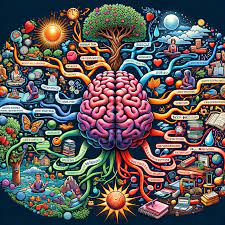
Defense mechanisms are psychological strategies that individuals unconsciously use to protect themselves from difficult feelings, thoughts, or situations. These mechanisms operate outside of conscious awareness and serve to alleviate anxiety, stress, and discomfort. While defense mechanisms can be adaptive in moderation, overreliance on them can lead to maladaptive coping patterns and interfere with psychological well-being. Let’s delve into some common defense mechanisms and explore their impact on human behavior and mental health.
1. Denial
Denial is perhaps the most well-known defense mechanism, involving the refusal to acknowledge the reality of a distressing situation or emotion. Individuals may deny the existence of a problem altogether or minimize its severity as a way to avoid facing uncomfortable truths. While denial can provide temporary relief from distress, it ultimately impedes problem-solving and prevents individuals from seeking help or making positive changes.
2. Projection
Projection involves attributing one’s own unacceptable thoughts, feelings, or impulses to others. By projecting onto others, individuals can distance themselves from aspects of themselves that they find unacceptable or threatening. For example, someone who struggles with feelings of jealousy may accuse their partner of being unfaithful. While projection can protect the individual’s self-esteem, it can also strain relationships and hinder self-awareness.
3. Rationalization
Rationalization involves creating logical or plausible explanations to justify or excuse one’s behavior, thoughts, or feelings. Individuals may rationalize their actions as a way to avoid feelings of guilt or shame. For example, someone who fails to meet a deadline may rationalize their procrastination by blaming external factors such as a heavy workload or unforeseen circumstances. While rationalization can provide temporary relief, it can also perpetuate self-deception and inhibit personal growth.
4. Regression
Regression involves reverting to earlier, more immature patterns of behavior in response to stress or discomfort. This may manifest as childlike behaviors, such as temper tantrums, clinginess, or dependency. Regression allows individuals to retreat to a time when they felt safer and more secure, but it can also impede problem-solving and hinder emotional maturity.
5. Repression
Repression involves unconsciously blocking or pushing distressing thoughts, memories, or emotions out of conscious awareness. Repressed material remains hidden in the unconscious mind, but it may continue to influence behavior and contribute to psychological distress. While repression can provide temporary relief from painful experiences, it can also lead to unresolved conflicts and psychological symptoms such as anxiety, depression, or psychosomatic symptoms.
Conclusion
Defense mechanisms are an integral part of the human psyche, serving to protect individuals from overwhelming emotions and experiences. While these mechanisms can provide temporary relief from distress, they can also perpetuate denial, avoidance, and self-deception. By fostering self-awareness and exploring healthier coping strategies, individuals can cultivate greater resilience, authenticity, and emotional well-being. Understanding common defense mechanisms can empower individuals to navigate life’s challenges with greater insight and resilience.
Find this article in French here.
En savoir plus sur Script & Paper
Abonnez-vous pour recevoir les derniers articles par e-mail.
 Script & Paper
Un avis sur « Understanding Common Defense Mechanisms: Coping Strategies in the Human Psyche »